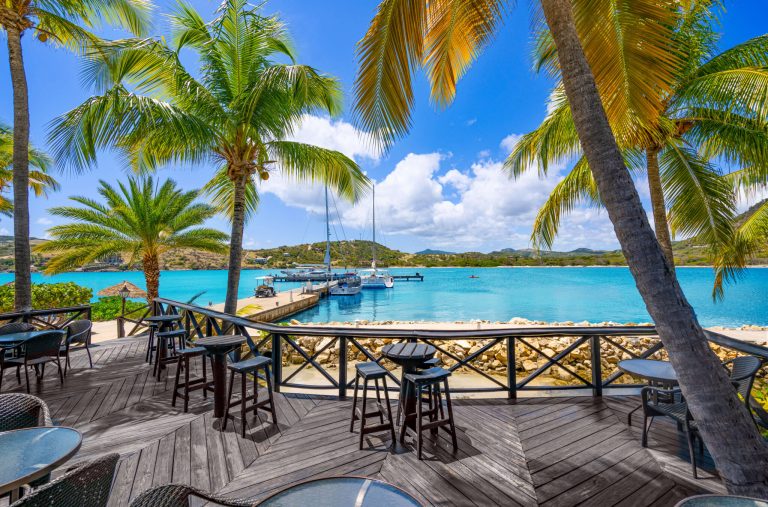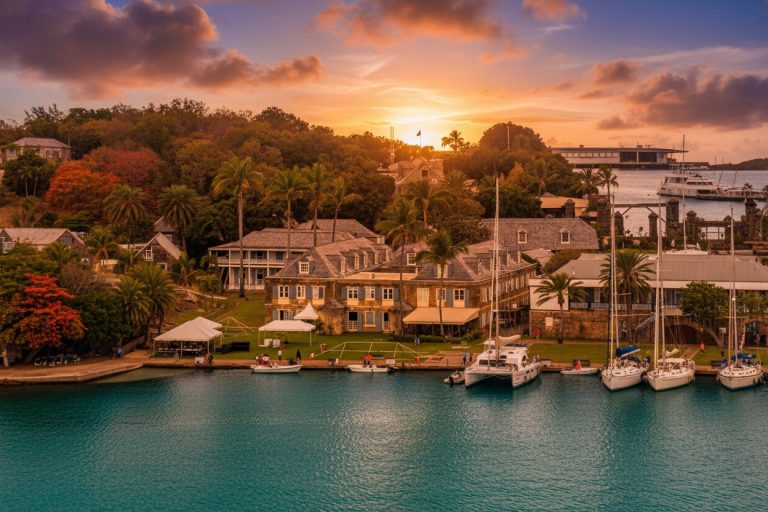
English Harbour, nestled on the southern coast of Antigua in the Caribbean’s Leeward Islands, is renowned for its historic Nelson’s Dockyard – a UNESCO World Heritage site – and its idyllic sailing conditions. As a prime yachting hub, the area’s weather plays a pivotal role in attracting visitors year-round. This article explores the climate patterns, seasonal variations, and practical tips for experiencing English Harbour’s balmy tropical environment.
Climate Overview
Antigua enjoys a classic tropical maritime climate, characterized by consistent warmth, high humidity, and a distinct wet-dry seasonal divide. Temperatures rarely fluctuate dramatically due to the island’s proximity to the equator (about 17°N latitude) and the moderating influence of trade winds from the northeast. Average annual temperatures hover between 25°C (77°F) and 30°C (86°F), with sea surface temperatures staying above 26°C (79°F) most of the year, ideal for swimming and water sports.
Humidity levels often exceed 75%, contributing to that signature Caribbean “sticky” feel, but refreshing sea breezes provide natural relief. Rainfall totals around 1,000–1,200 mm (39–47 inches) annually, concentrated in the wet season.
Seasonal Breakdown
Dry Season (December to April): Peak Perfection
This is the golden window for visiting English Harbour, with sunny skies dominating 80–90% of days. Expect daytime highs of 28–30°C (82–86°F) and nighttime lows around 24°C (75°F). Rainfall is minimal – less than 50 mm (2 inches) per month – making it prime time for regattas like the Antigua Sailing Week in late April.
Trade winds blow steadily at 10–20 knots, ensuring comfortable conditions for sailing and hiking in the surrounding hills. UV index peaks here, so sunscreen is non-negotiable.
Wet Season (May to November): Lush but Stormy
As the dry season fades, rains pick up, peaking in September–October with 150–200 mm (6–8 inches) monthly. Daytime temps remain 29–31°C (84–88°F), but afternoon showers and occasional thunderstorms are common, often brief but intense. This period coincides with the Atlantic hurricane season (June 1–November 30), when tropical storms or hurricanes can disrupt plans—Antigua averages one direct hit every few years, though English Harbour’s sheltered bay offers some protection.
Despite the rain, the landscape turns vibrantly green, and visitor numbers drop, leading to fewer crowds at sites like Shirley Heights for sunset views.

10-Day Forecast: A Mix of Sun and Sporadic StormsLooking ahead, English Harbour’s weather stays true to its tropical roots—consistently warm with intermittent rain. Here’s a snapshot of the coming week:
| Date | High/Low (°F) | Conditions | Precip Chance | Wind |
|---|---|---|---|---|
| Oct 18 | 87/77 | Partly cloudy, isolated showers | 40% | ENE 14 mph |
| Oct 19 | 85/78 | Scattered thunderstorms | 60% | E 10-15 mph |
| Oct 20 | 86/77 | Mostly cloudy, showers | 50% | ENE 12 mph |
| Oct 21 | 87/78 | Variable clouds | 30% | E 15 mph |
| Oct 22 | 85/77 | Thunderstorms possible | 70% | SE 10 mph |
| Oct 23 | 86/78 | Cloudy with showers | 55% | ENE 13 mph |
| Oct 24 | 87/77 | Partly sunny | 20% | E 12 mph |
| Oct 25 | 85/78 | Scattered storms | 50% | ENE 14 mph |
| Oct 26 | 86/77 | Mix of sun and clouds | 40% | E 10-20 mph |
| Oct 27 | 87/78 | Mostly cloudy | 30% | ENE 12 mph |
Data compiled from recent forecasts shows highs consistently in the mid-80s and lows around 77-78°F, with precipitation chances fluctuating between 20-70% – a nod to the wet season’s whims. weather.com +2 Easterly trade winds will keep the air moving, ideal for watersports but a reminder to secure loose items on deck.
Hurricane Risks and Precautions
English Harbour’s location exposes it to hurricane threats, with the most active months being August–October. Historical data from the Antigua Meteorological Service and NOAA shows storms like Hurricane Irma (2017) causing significant wind and surge damage. Modern forecasting via apps like Windy or the Caribbean Hurricane Network allows timely evacuations. Hotels and marinas here are built to withstand Category 3+ winds, but travelers should monitor alerts from the Antigua and Barbuda National Office of Disaster Services and secure travel insurance covering weather disruptions.
Best Times to Visit
- Sailing Enthusiasts: December–April for reliable winds and calm seas.
- Budget Travelers: May–June or November for lower rates and tolerable weather.
- Avoid: September–October peak hurricane risk.
Packing and Practical Tips
Opt for lightweight, breathable clothing, rain gear for sudden downpours, and sturdy shoes for slippery paths after rain. Stay hydrated – dehydration sneaks up in the heat. Check real-time forecasts from the Antigua Met Office or apps like AccuWeather, which factor in local microclimates (English Harbour is slightly drier than Antigua’s north due to its southern exposure).
In summary, English Harbour’s weather embodies tropical allure: reliably warm with seasonal flair. Whether you’re docking a yacht or exploring colonial ruins, timing your visit aligns with bliss – dry season for action, wet for serenity – just keep an eye on the skies. Safe travels to this gem of the Caribbean!