You don’t just “visit” English Harbour. You drop anchor in it. Even if you just dragged your bags out of a sweaty taxi from V.C. Bird Airport instead of stepping off a 200-foot superyacht… the feeling is the same.
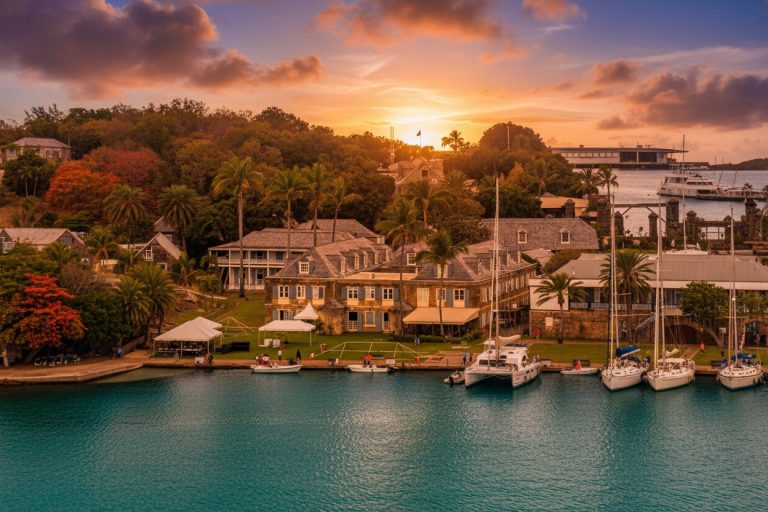
There is a specific, weird energy here. It’s not that sterilized, wall-to-wall turquoise calm you find on the all-inclusive strip on the other side of the island. This is gritty. The air smells like salt, old varnish, and expensive diesel. It’s arguably the most atmospheric square mile in the Caribbean. A place where 18th-century British naval history crashes headfirst into modern billionaire decadence. And somehow, it works.
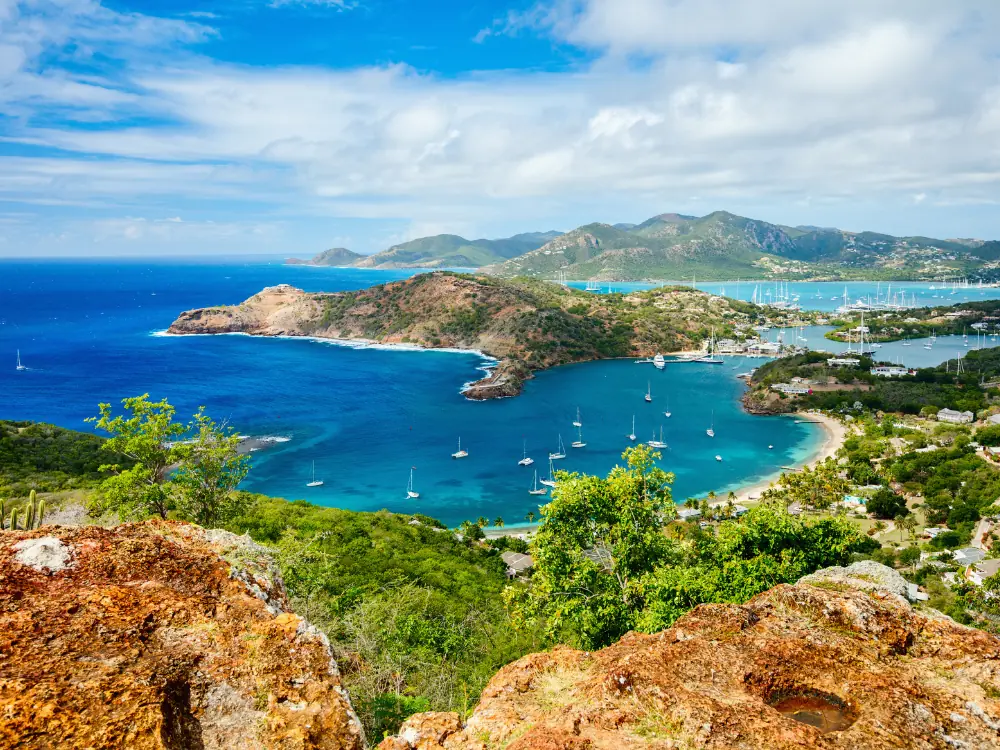
If you’re planning a trip, you probably aren’t looking for a cookie-cutter resort. You want character. You want to be where the sailors are. But choosing where to stay is… tricky. The “resorts” here aren’t really resorts in the traditional sense. They are historic buildings, boutique hideaways, or chic condos bolted onto the edge of a marina.
Here is everything you need to know about sleeping, eating, and existing in the yachting capital of the Caribbean.
Experience the Yachting Capital of the Caribbean: Why Stay in English Harbour
Most people go to Antigua for the 365 beaches. One for every day of the year. Cute slogan. But if you stay in English Harbour, you’re here for the culture.
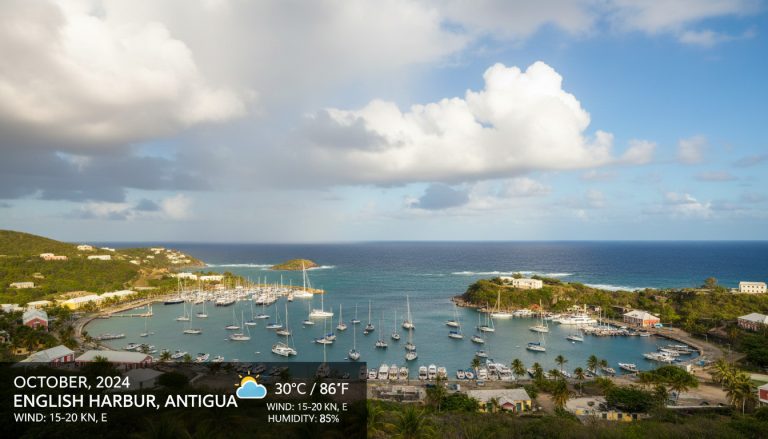
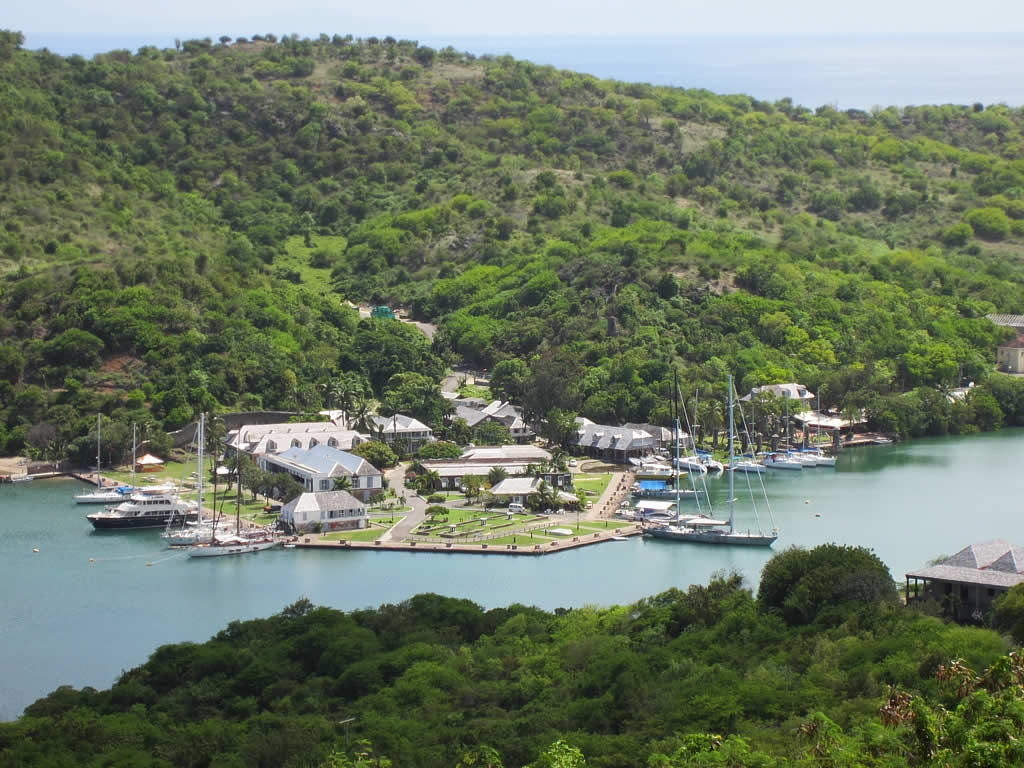
This area – encompassing Nelson’s Dockyard and the neighboring Falmouth Harbour – is a UNESCO World Heritage site. But don’t worry, it’s not a dusty museum where you have to whisper behind velvet ropes. It is a working town. The stone warehouses built by Horatio Nelson’s fleet in the 1700s are now hotels, bakeries, and customs offices. Historically, this was the Caribbean’s most famous “hurricane hole,” a geographical quirk of deep water and high hills that protected ships from storms. Today, that same geography protects it from becoming just another tourist trap.
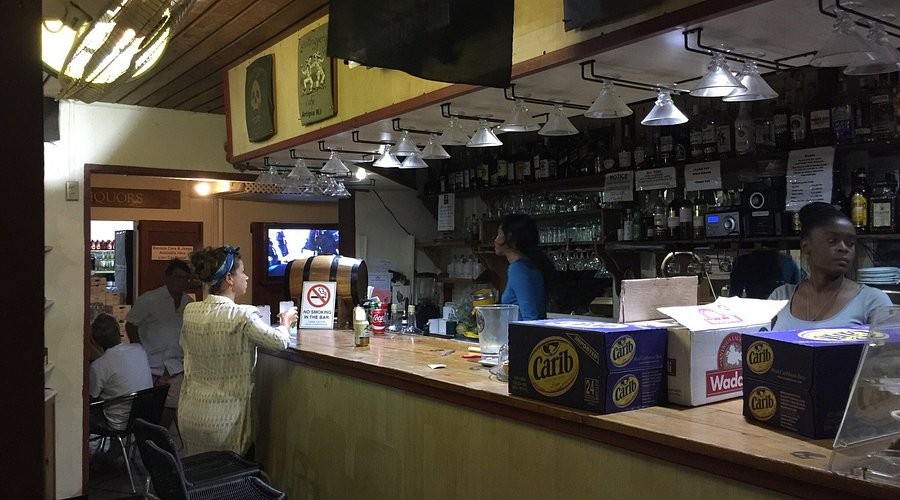
The vibe is strangely egalitarian. You’ll be at a bar like Skullduggery’s or The Mad Mongoose drinking a warm Carib beer… to your left is a sunburned deckhand who just crossed the Atlantic, and to your right is the owner of a boat that costs more than the GDP of a small nation.
It’s walkable, which is rare for the Caribbean. You can stroll from the historic dockyard to Pigeon Point Beach, grabbing a roti on the way. Just be prepared for the hills. And the heat. It’s a sensory overload – loud reggae from cars, the clanking of rigging in the wind, masts foresting the harbor.
The Beach Situation: Pigeon Point vs. Galleon Beach
One thing the brochures might gloss over – English Harbour itself is a deep-water port, not a beach destination. You don’t swim off the docks unless you want to be run over by a dinghy. But you are flanked by two of the island’s best strips of sand. They have radically different personalities.
Pigeon Point: The Socialite
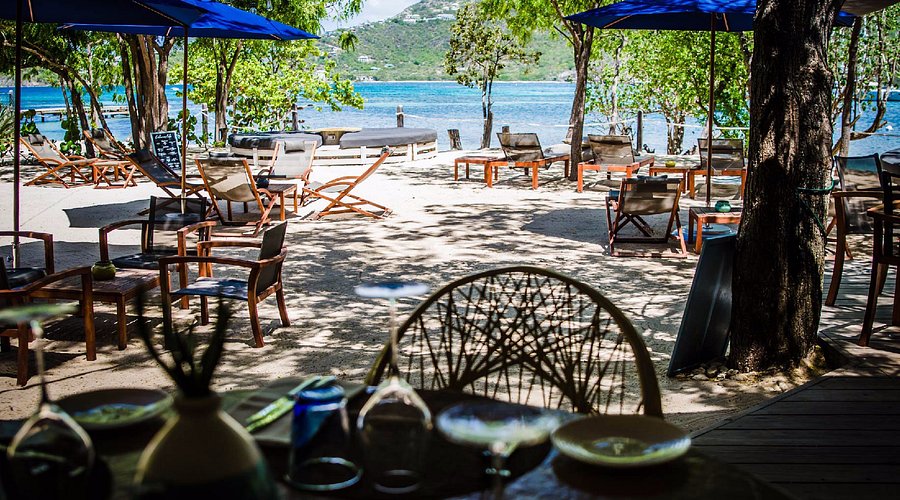
If you want to see and be seen, you walk to Pigeon Point. Located at the mouth of Falmouth Harbour, this is where the yacht crews go on their day off. The water is shallow and impossibly clear – locals call it “the swimming pool” for a reason. The vibe is social. You bring a cooler, you meet friends, and you inevitably end up at Catherine’s Café (more on that later). It’s manicured. Pretty. Lively.
Galleon Beach: The Introvert
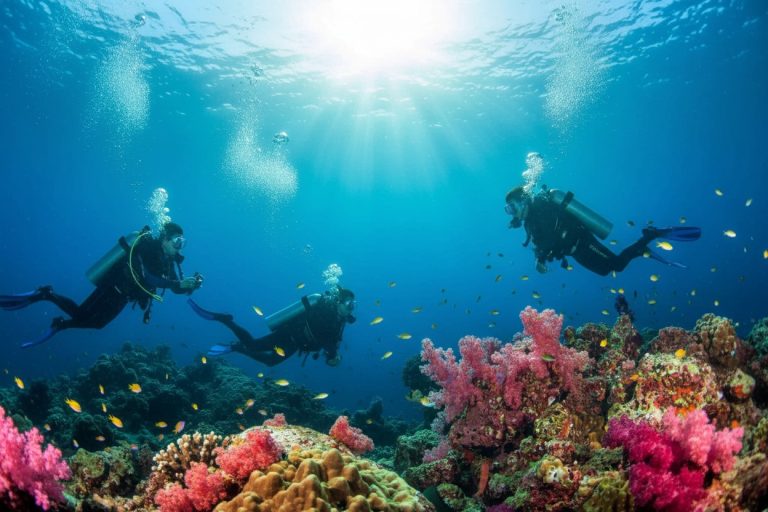
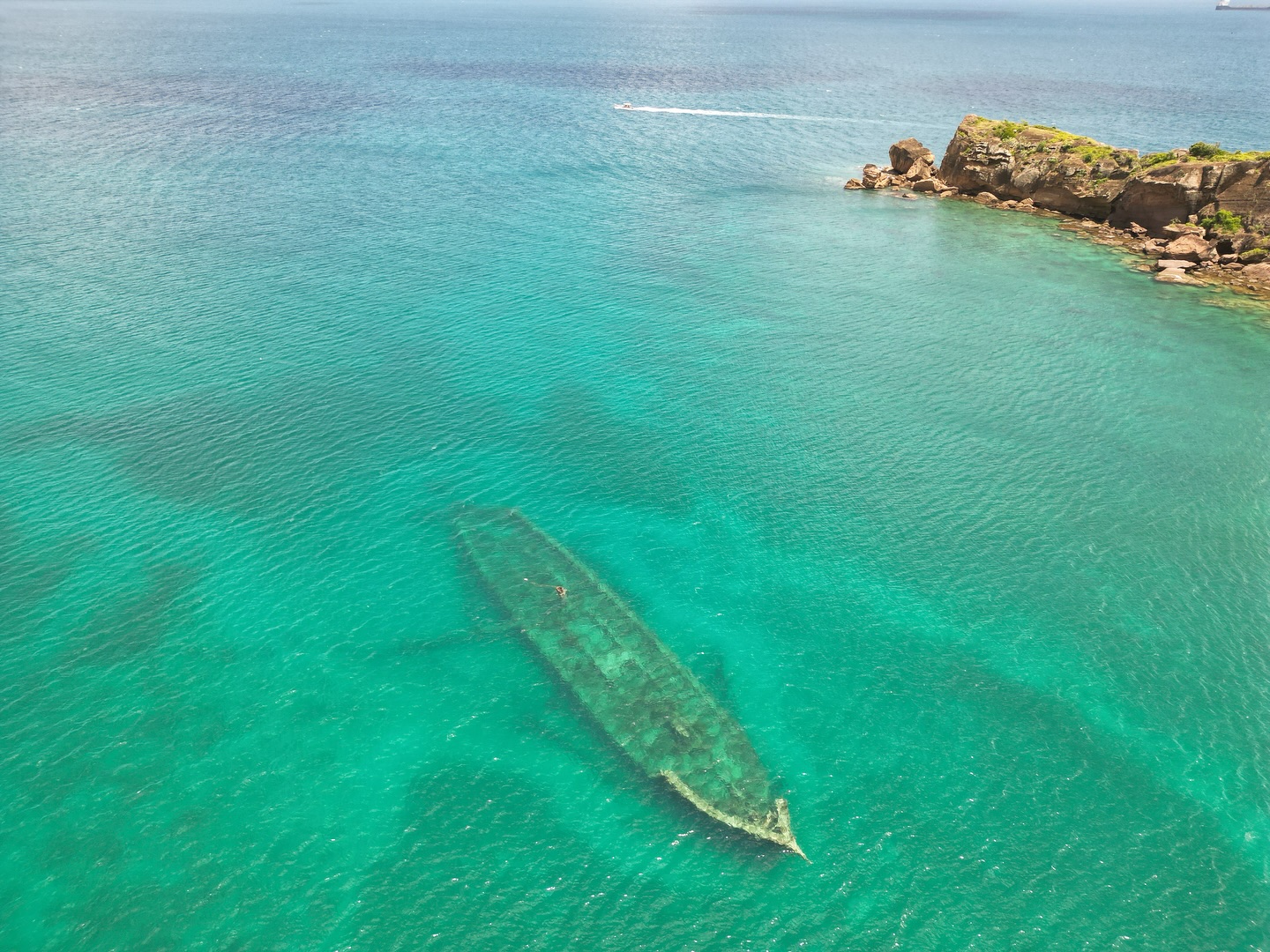
If you want turtles and silence, you take a water taxi to Galleon Beach in Freeman’s Bay. It’s wilder. Quieter. Arguably more beautiful. The secret here is the shipwreck of The Andes, a merchant ship that sank in 1905. It lies in about 10 feet of water, less than 50 yards from the shore. You don’t need a dive tank. You just need a mask. You will almost certainly see sea turtles grazing on the grass beds and stingrays burying themselves in the sand. Best shore-accessible snorkeling on the south coast, period.
The Inn at English Harbour: Beachfront Luxury Meets Colonial Style
If you want the history but can’t stomach the noise of the main dockyard, you go to The Inn.
It’s located in Freeman’s Bay, right on that quiet curve of Galleon Beach mentioned above. To get to the main action, you have to take a water taxi (the hotel has a private boat, nice touch). It feels secluded. Private.
The aesthetic here is heavy on the “Old World.” Think mahogany floors, four-poster beds, and not a single piece of plastic furniture in sight. It feels like the home of a wealthy colonial governor who had really good taste in linens.
There are two parts to the property. The Beach Cabanas are right on the sand – literally, you step off your porch onto the beach. These are the ones to book if you want to hear the waves at night. Then there are the hillside suites. You have to take a shuttle or walk up a steep path to get to them. But the view? Ridiculous.
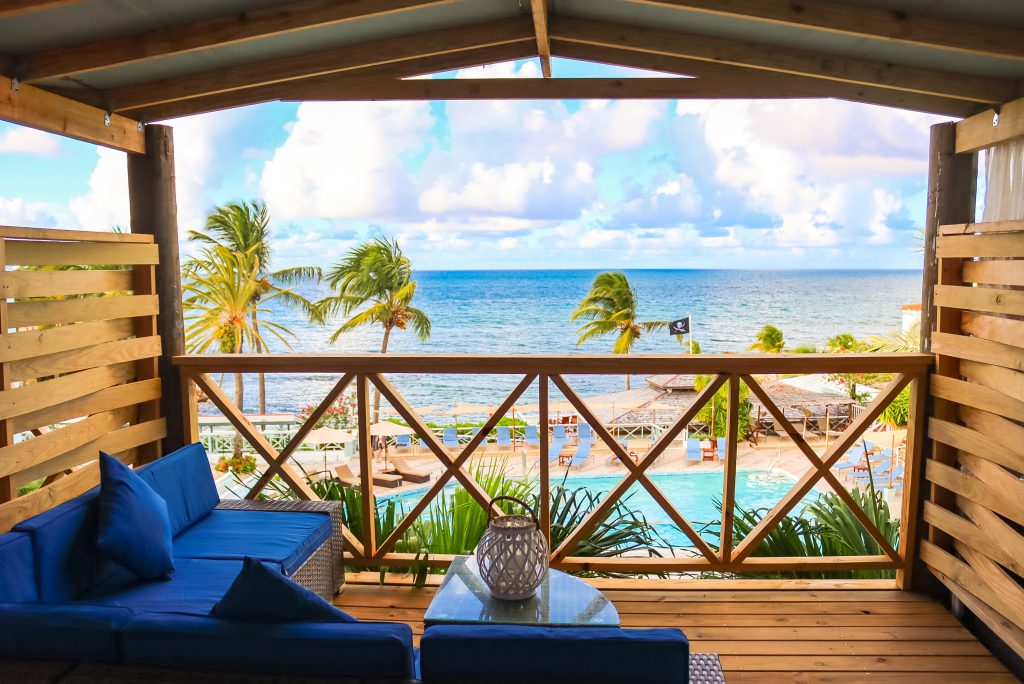
Amenities are solid – tennis courts, a library that actually smells like books, and The Reef restaurant for lunch. But honestly, the real luxury here is the quiet. It’s not an all-inclusive zoo. The staff remembers your name, and your drink order, usually by day two.
South Point Antigua: Chic Waterfront Suites for the Modern Traveler
South Point is the opposite of The Inn. If The Inn is a stiff gin and tonic, South Point is a spicy margarita with a mezcal float.
Located in Falmouth Harbour (just a five-minute walk from English Harbour proper), this place screams “Miami.” It’s built for the yacht set who want land legs for a few days but don’t want to give up the modern gloss.
The design is minimalist. Sharp lines, grey tones, glass everywhere. There are only 23 suites, and they run more like condos. We’re talking full kitchens, massive living areas, and terraces that look directly out at the mega-yachts. You can sit on your balcony and watch crews scrubbing decks on boats that cost $50 million. Fascinating voyeurism.
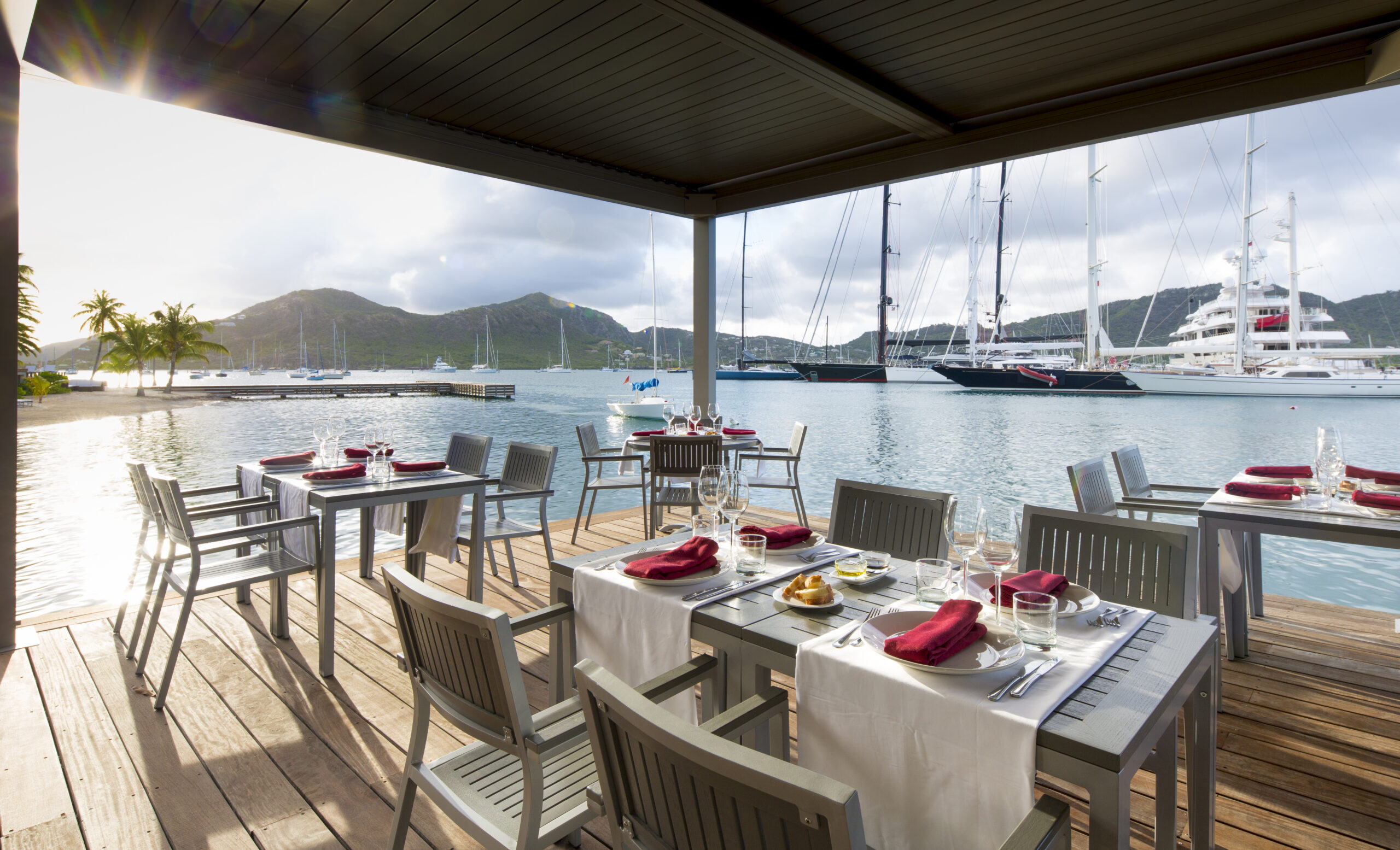
It doesn’t have a massive beach – just a small strip of sand – but they have a sleek pool and a deck that hangs over the water. The restaurant, Maia, is a hotspot. Even if you don’t stay here, come for the sushi. It’s arguably the best on the island. The price tag will remind you exactly where you are, though.
Admiral’s Inn and Gunpowder Suites: A Historic Retreat in Nelson’s Dockyard
This is my personal favorite. Mostly because it’s confusing and charming in equal measure.
The Admiral’s Inn is split across two sides of the water. On the main side, inside the historic Nelson’s Dockyard, you have the original 1788 building. The bricks were brought over as ballast in British ships. The floors creak. The rooms are… quaint. Smallish, dark wood, heavy history. If you like ghosts, stay here.
But if you want AC that works silently and a private pool, you take the little free boat shuttle across the harbour to the Gunpowder Suites.
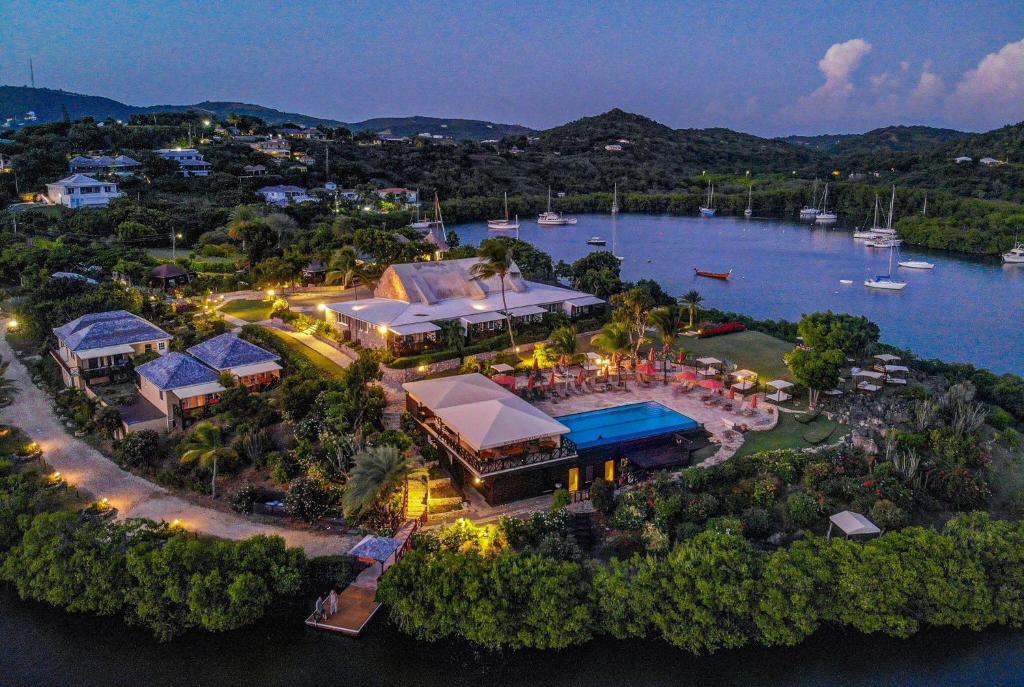
These are built into the old gunpowder magazine and are much more modern. The highlight over here is Boom, a restaurant and pool area that sits on the hillside. You lie on a daybed, order a lobster salad, and look down at the historic dockyard across the water. It’s one of the best views in Antigua.
Insider Tip: This side is also home to The Powder Room Spa. It’s tiny, boutique, and excellent. They use local elements – neem, lemongrass, aloe – for their treatments. It’s not a sprawling resort spa with a cucumber water fountain; it’s an intimate space where the therapists actually know what they are doing.
The Copper and Lumber Store Hotel: Heritage Charm Inside a UNESCO Site
It is exactly what the name says. It used to store copper. And lumber.
Now, it’s a hotel right in the center of the dockyard. You can’t get closer to the action. If you stay here, you are in the tourist attraction. During the day, cruise ship passengers might wander past your window. At night, when the gates close to the public, you have the whole UNESCO site to yourself. Eerie. Magical.
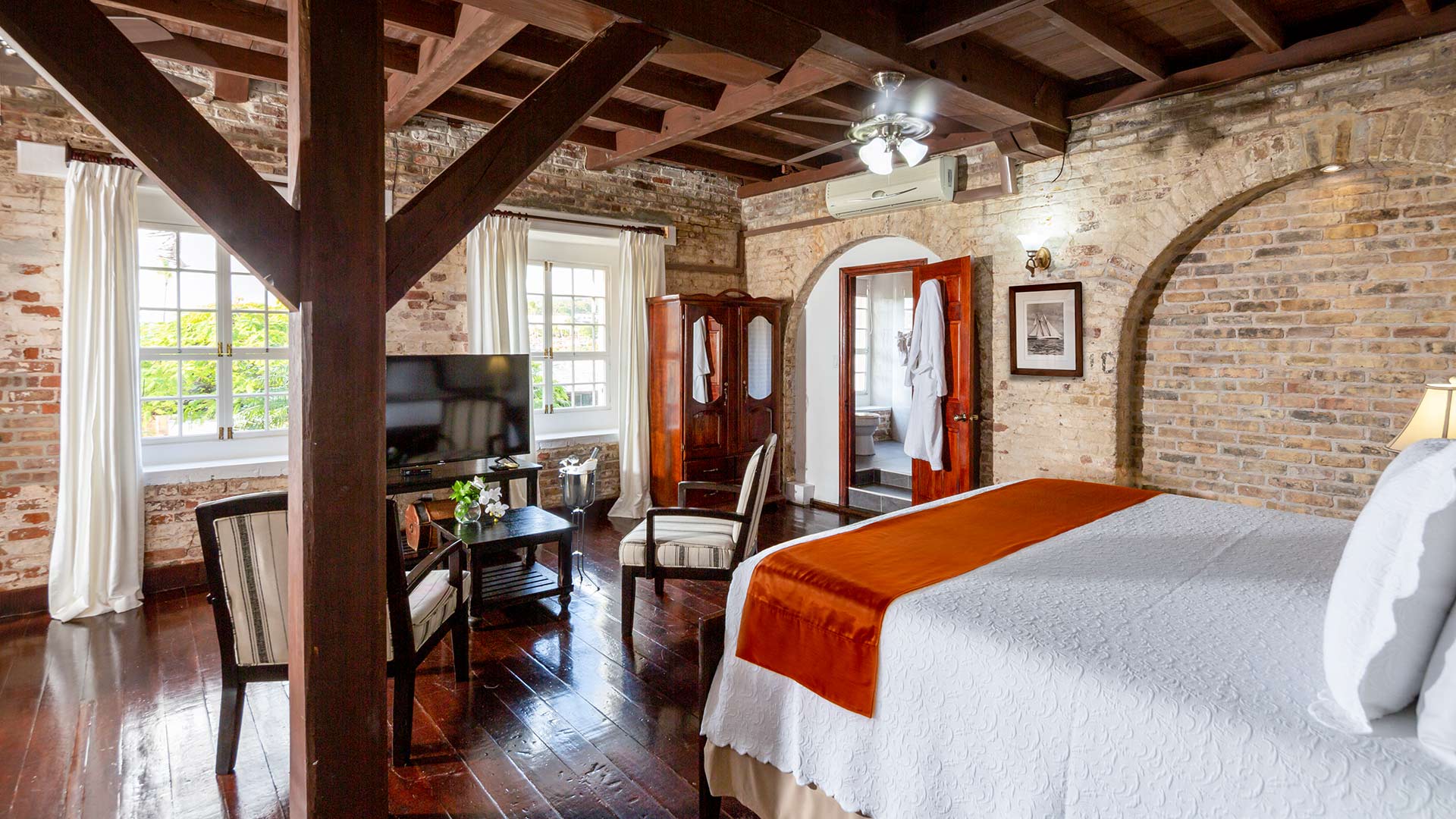
The rooms are named after Nelson’s ships. They are huge – lofts, exposed brick, kitchenettes that look like they belong in a country cottage. It’s not “luxury” in the Four Seasons sense. It’s rustic luxury. The plumbing might be a bit eccentric. The lighting is dim. But the character is unbeatable.
The central courtyard is beautiful, often hosting jazz or food events. It’s quiet, though. If you want a party hotel, this isn’t it. This is for writing a novel or pretending you’re a 19th-century captain hiding from your responsibilities.
Logistics: The Pothole Lottery and Getting Around
The Caribbean is generally relaxed. The roads in Antigua are not.
You have two choices here. You can rely on taxis, which are readily available but surprisingly expensive. A trip from English Harbour to the airport is fixed at around $30-40 USD, but shorter hops add up fast.
The alternative is renting a car. This gives you freedom, but it comes with a warning: driving in Antigua is a contact sport. You drive on the left, the roads are narrow, and the potholes are deep enough to swallow a small hatchback. Oh, and there are donkeys. Wild donkeys that stand in the middle of the road at night and stare at you.
If you are staying exclusively in English Harbour, you can get away without a car because the town is so walkable. But if you want to explore the rest of the island, rent a 4×4. Just drive slow. When a local flashes their lights at you, they are letting you turn. Probably.
Nearby Alternatives: St. James’s Club and Villas for All-Inclusive Options
Okay. Maybe you’re reading this and thinking, “I have kids,” or “I just want to drink free rum punch and not think about the bill.”
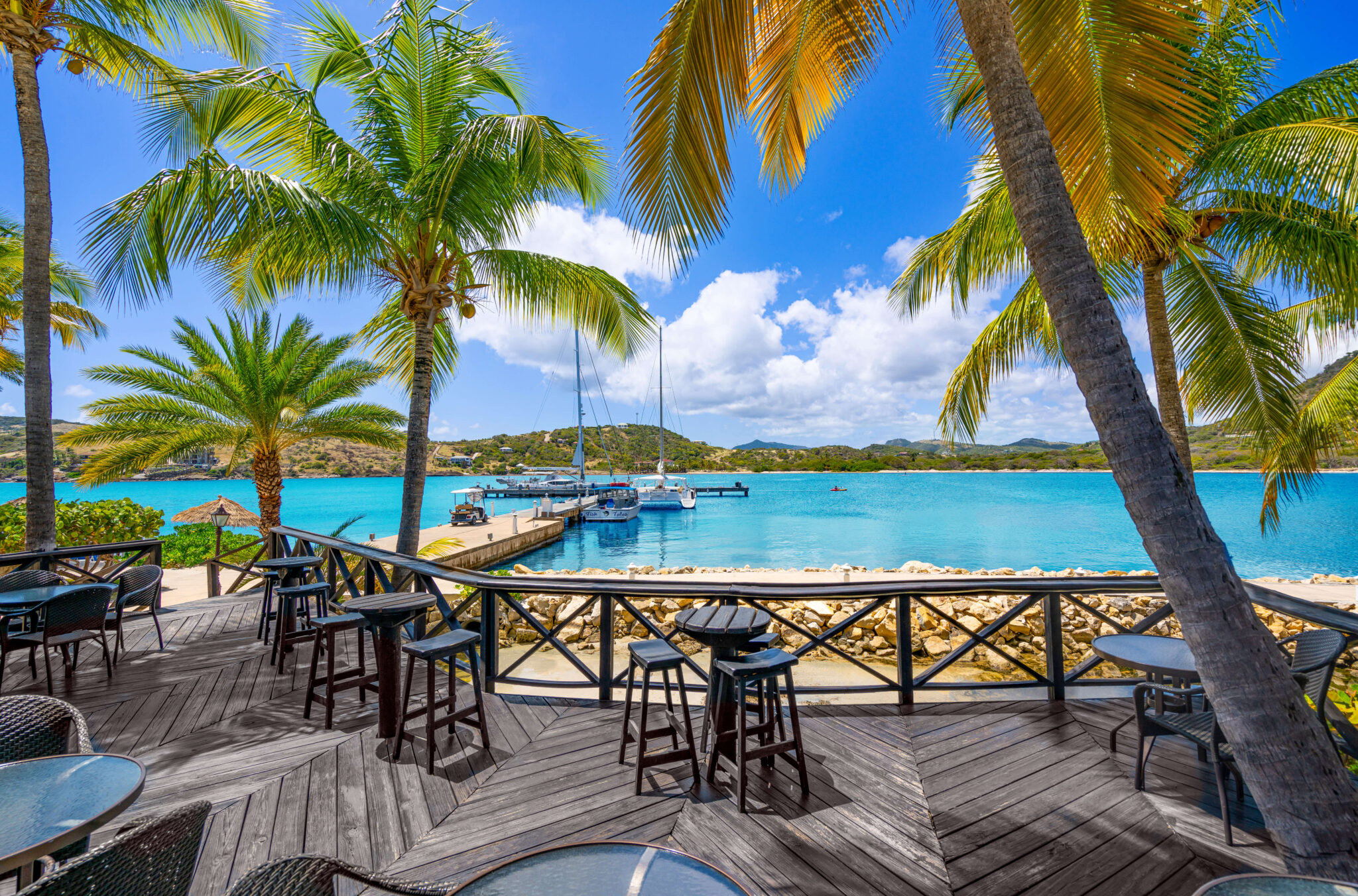
English Harbour’s boutique hotels don’t really do “all-inclusive” well. For that, you go to St. James’s Club.
It’s about a 10-minute drive away on Mamora Bay. It’s a sprawling resort on a private peninsula. Two beaches – one windy for watersports, one calm for swimming – multiple pools, kids’ clubs, the works.
Is it unique? Not really. It feels like a big Caribbean resort. But the proximity to English Harbour means you can stay here for the ease, then take a taxi into town for dinner or a party… and retreat back to the safety of the buffet when you’re done. It’s a good compromise if you’re traveling with a mixed group where some want adventure and others just want a pool bar.
Dining in Style: From Fine Dining to Local Legends
The food scene here punches way above its weight. You can spend $200 on dinner or $15 and be equally happy.
- Trappas: You cannot write a guide to English Harbour without mentioning Trappas. It’s not “fine dining,” but it’s an institution. It’s where the locals eat. The menu is on a giant chalkboard, the portions are massive, and the calamari is legendary. It’s loud, cheap(er), and fun.
- Colibri: A hidden garden gem. It feels like dining in a secret jungle. The food is French-Creole fusion. Get the saltfish fritters. Expect to pay for the ambiance.
- 5 Senses: Very French, very intense. The menu is a mix of French technique and Mexican flavors – sounds weird, tastes amazing. It’s in the heart of the town, good for people watching.
- Pillars: Located at Admiral’s Inn. You sit between 18th-century stone pillars right on the water. It’s romantic as hell. Go for a long, lazy lunch.
- Catherine’s Café: It’s on Pigeon Point Beach. This is the place to be seen on a Sunday afternoon. French vibes, expensive wine, sand in your toes. It’s chic and unpretentious simultaneously.
- Sheer Rocks: Technically a 25-minute drive away, but worth the detour. It’s perched on a cliff edge with plunge pools and tapas. This is the “honeymoon” dinner spot.
Beyond the Resort: Sunset Parties and The World’s Toughest Row
You cannot come here and not go to Shirley Heights. It’s a non-negotiable tourist trap that is actually worth it.
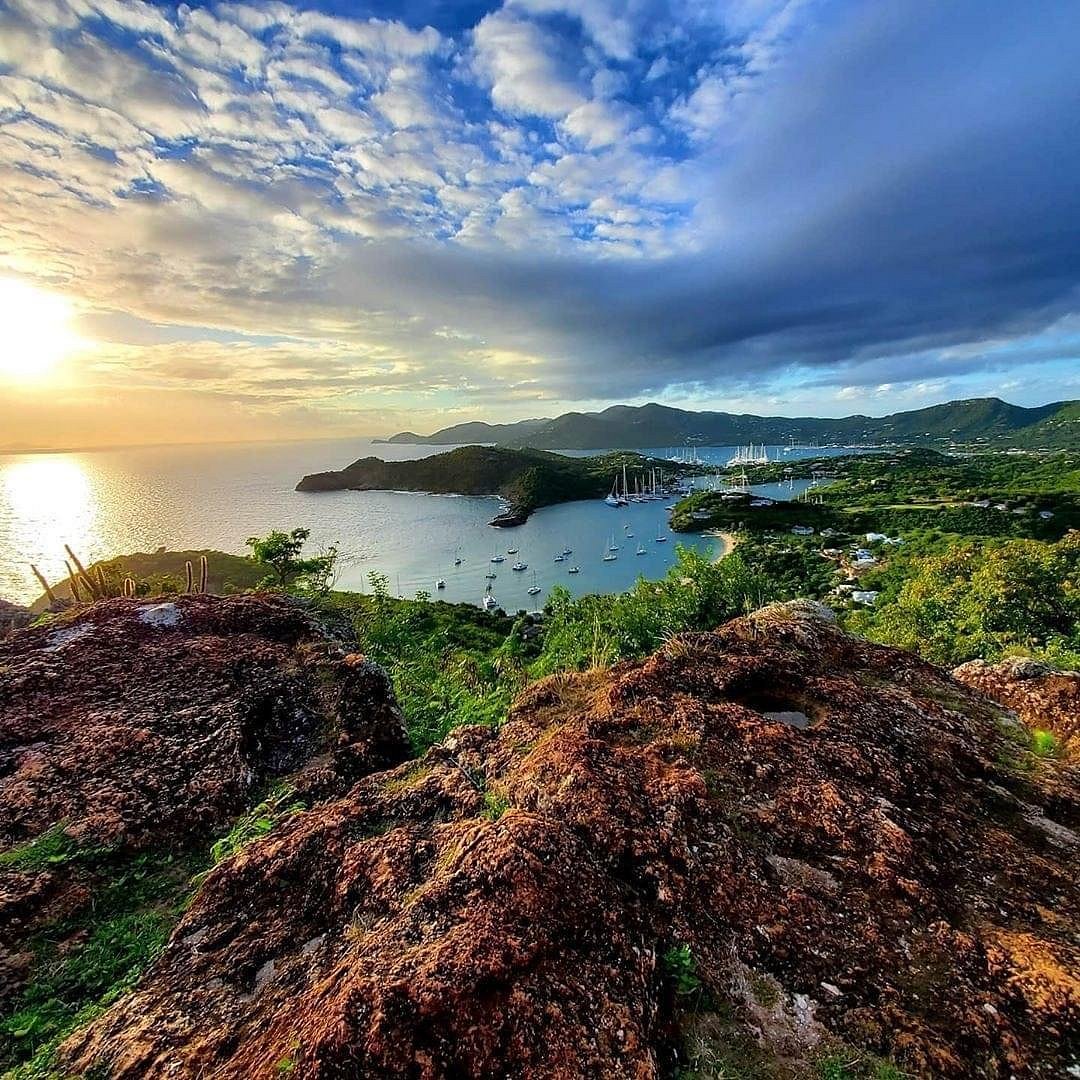
Every Sunday, from about 4 PM, hundreds of people trek up to this old military lookout. The view over English and Falmouth Harbours is the one you see on every postcard. There are steel bands. There is BBQ that is mass-produced but tasty enough. The rum punch is lethal – they pour it from plastic jugs and I’m convinced it’s 90% alcohol. As the sun sets, the green flash is elusive, but the party kicks up. Reggae bands take over. Everyone dances. It’s sweaty, crowded, and joyous.
The “World’s Toughest Row” Arrival
If you visit in January or early February, you might witness something incredible: the finish of the Talisker Whisky Atlantic Challenge.
Teams row 3,000 miles from the Canary Islands to Nelson’s Dockyard. They arrive looking like castaways – bearded, emaciated, wobbling on their sea legs. When a boat is spotted, the entire harbour erupts. Superyachts blast their horns, people run from the bars to the seawall, flares are lit. Watching a team take their first steps on land after 40 days at sea is one of the most emotional sporting events you will ever see. Captures the true spirit of this place.
Best Time to Visit Antigua’s South Coast for Regattas and Relaxation
Timing is everything.
Late April / Early May: Antigua Sailing Week. This is the Super Bowl of Caribbean sailing. The harbour is packed. The parties are every night. If you love energy and don’t mind noise, this is the time.
December: The Charter Yacht Show. Huge superyachts everywhere. It’s glamorous, but the town gets busy.
January/February: Peak season. Perfect weather, and the arrival of the Atlantic Rowers creates a unique buzz.
Summer (June – Aug): It’s hot. Really hot. And humid. But the prices drop, and the water is incredibly warm. Carnival happens in late July/early August – in St. John’s, but the vibe spreads.
Sept – Oct: Hurricane season peak. A lot of restaurants in English Harbour shut down for renovations. The town can feel a bit like a ghost town. Unless you like solitude, avoid it.
How to Choose the Perfect English Harbour Hotel for Your Vacation
It comes down to what you want to wake up to.
- Want to step onto the sand? The Inn at English Harbour.
- Want to wake up inside a history book? Admiral’s Inn or Copper and Lumber.
- Want to pretend you own a superyacht? South Point.
- Want the kids to be distracted while you drink? St. James’s Club.
Don’t overthink it. The beauty of English Harbour is that no matter where you sleep, you end up at the same bars, watching the same sunset, drinking the same rum. Just get here.