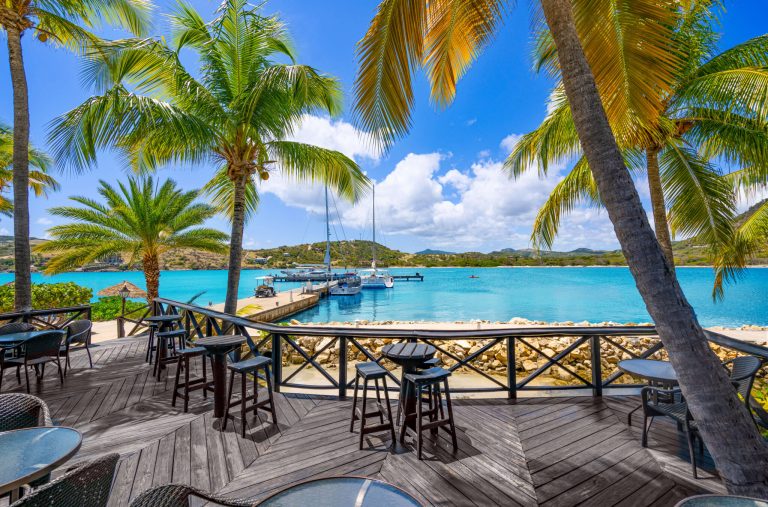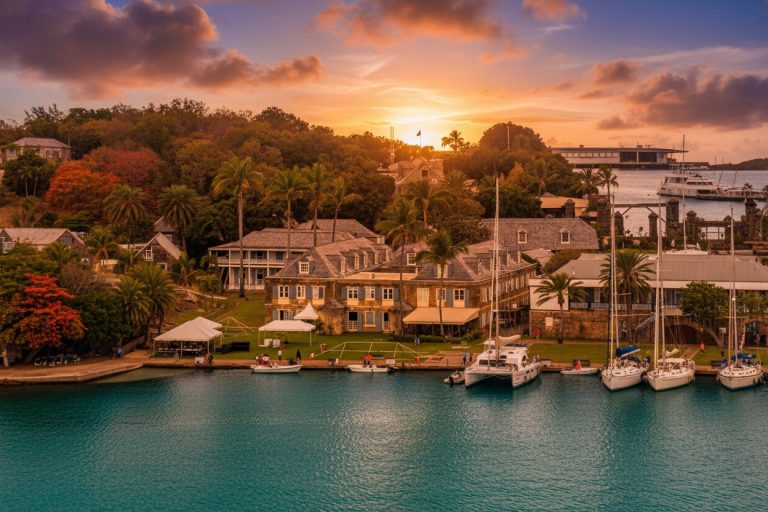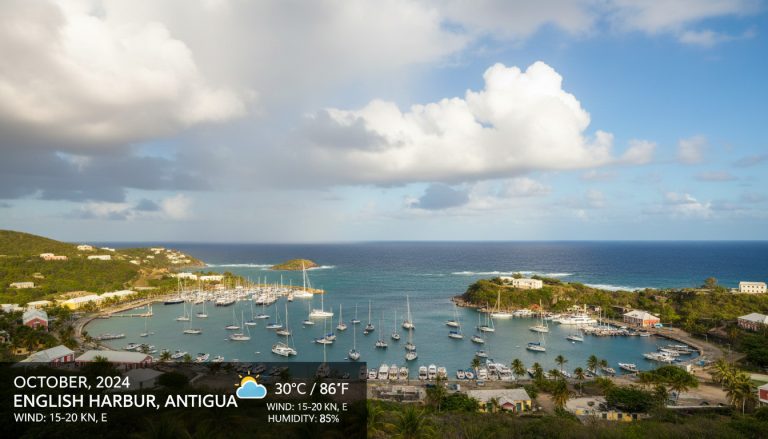
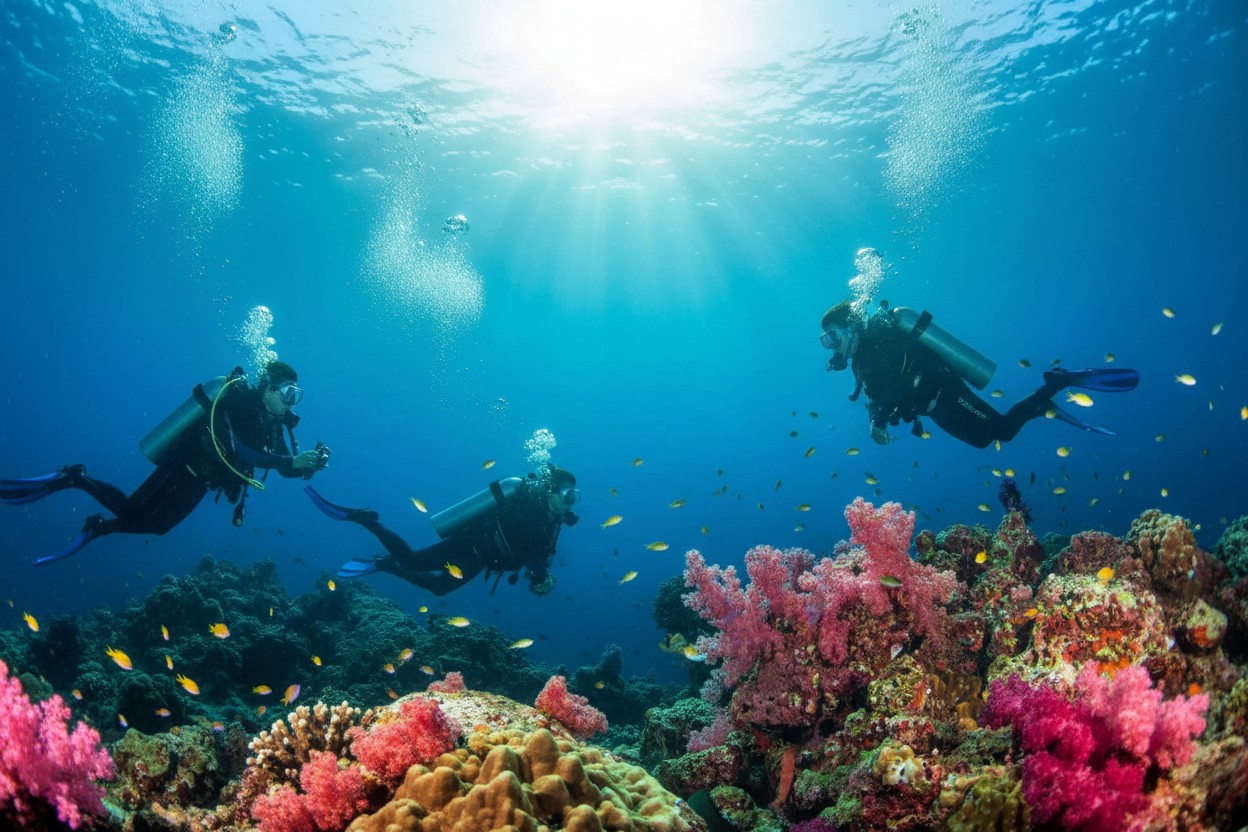
English Harbour. It’s nestled on Antigua’s incredible south coast, and yeah, it’s a huge hub for yachts and history. But it’s also your front door to a seriously exhilarating underwater world. Recognised as a UNESCO World Heritage Site, English Harbour’s historical significance as a former British naval base during the 18th century adds another layer of depth to your visit, complementing the natural beauty of its marine environment. Whether you’re a seasoned pro or just getting your feet wet, the reefs, the wrecks, the sheer amount of marine life… it’s an unforgettable Caribbean experience. The best part? You don’t have to lug all your heavy gear across the planet. English Harbour has some killer options for scuba gear rental.
Discovering English Harbour’s Underwater World
Antigua’s underwater scene around English Harbour is a diver’s dream. We’re talking healthy reefs, wild ecosystems, and water so clear the visibility often blows past 60 feet. It’s insane. The south coast is especially known for its scenery—a complete grab-bag of Caribbean fish species, massive coral and sponge formations, cool caves, and all sorts of channels to explore. And the water temperature? It hangs out between 75-85°F (24-29°C) all year. So yeah, you can get out there any time.
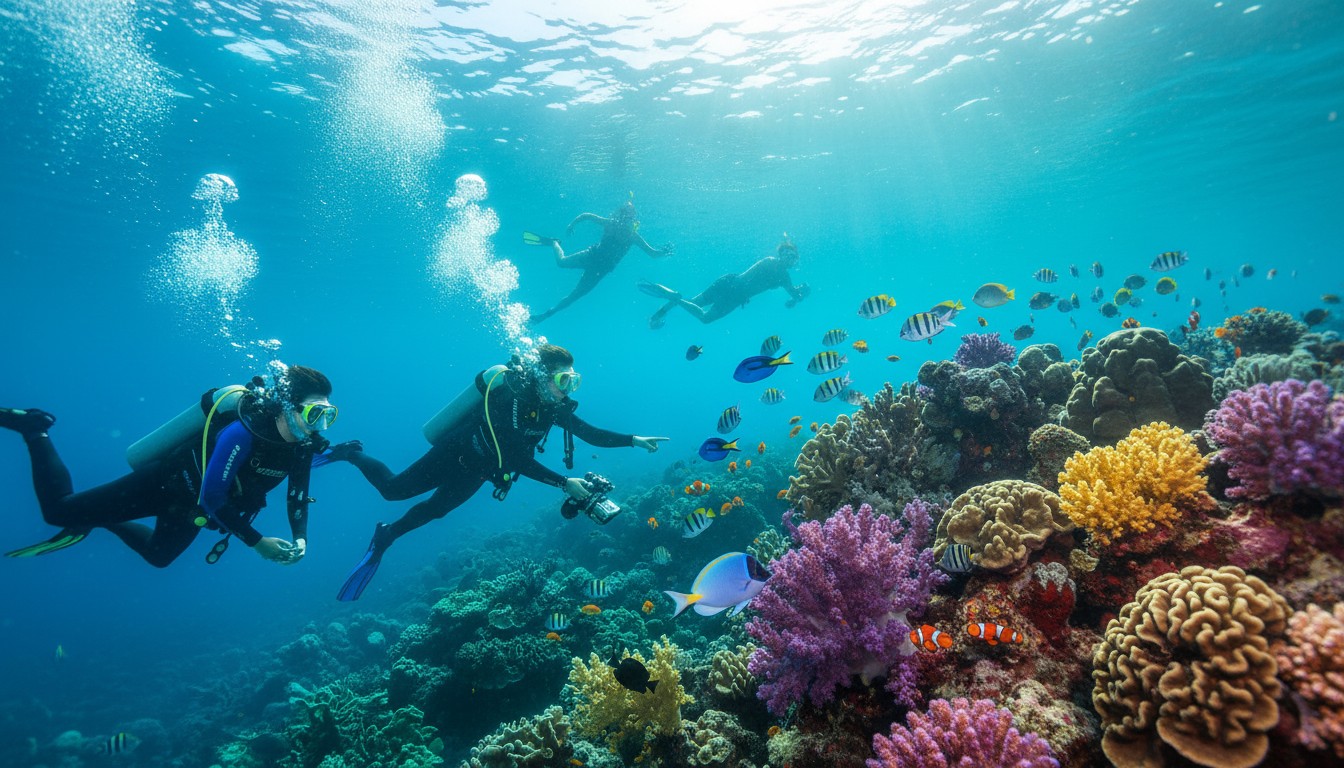
Antigua and Barbuda are particularly celebrated for their healthy and well-preserved reefs, teeming with diverse marine life. Divers frequently encounter green and hawksbill turtles, majestic spotted eagle rays, lobsters, and various moray eels. Schools of barracuda, parrotfish, angelfish, batfish, grunts, blue tangs, and trumpet fish are also common sights. Keep an eye out for unique creatures like the iridescent Christmas Tree Worms, tiny spiral-shaped animals that quickly retract when approached, and the elusive Spotted Drum.
The coral formations themselves are a spectacle, with a rich variety including branching corals like Elkhorn (Acropora palmata) and Staghorn (Acropora cervicornis), boulder corals such as Brain, Star, and Rose corals (e.g., Diploria strigosa, Montastrea cavernosa, Porites astreoides), and Platy corals. Beyond the vibrant reefs, Antigua holds a fascinating secret: its waters hide over 300 shipwrecks, earning it the moniker “The Shipwreck Capital of the Caribbean”. Some of these submerged vessels date back to the 17th century, now serving as artificial reefs that host thriving marine ecosystems.
The State of Antigua’s Reefs and Conservation Efforts
While Antigua boasts beautiful reefs, its coral ecosystems have faced significant degradation over the past 40 years, largely due to human impacts like over-exploitation and poor marine resource management. Despite exceptionally clean ocean water with low nutrient levels, some reef areas show relatively poor conditions, with live coral cover often remaining between 5% and 20%.
However, dedicated efforts are underway to protect and restore these vital underwater habitats. Local organizations like the Elkhorn Marine Conservancy and the National Parks Authority manage coral nurseries and restoration projects, actively replanting corals and monitoring their growth to rehabilitate damaged reefs. The Antigua & Barbuda Ocean Trust (ABOT), a local non-profit, plays a crucial role by supporting marine conservation through youth eco-diver programs and organizing volunteer diver clean-ups, specifically targeting discarded fishing lines and other debris that threaten reefs and marine life.
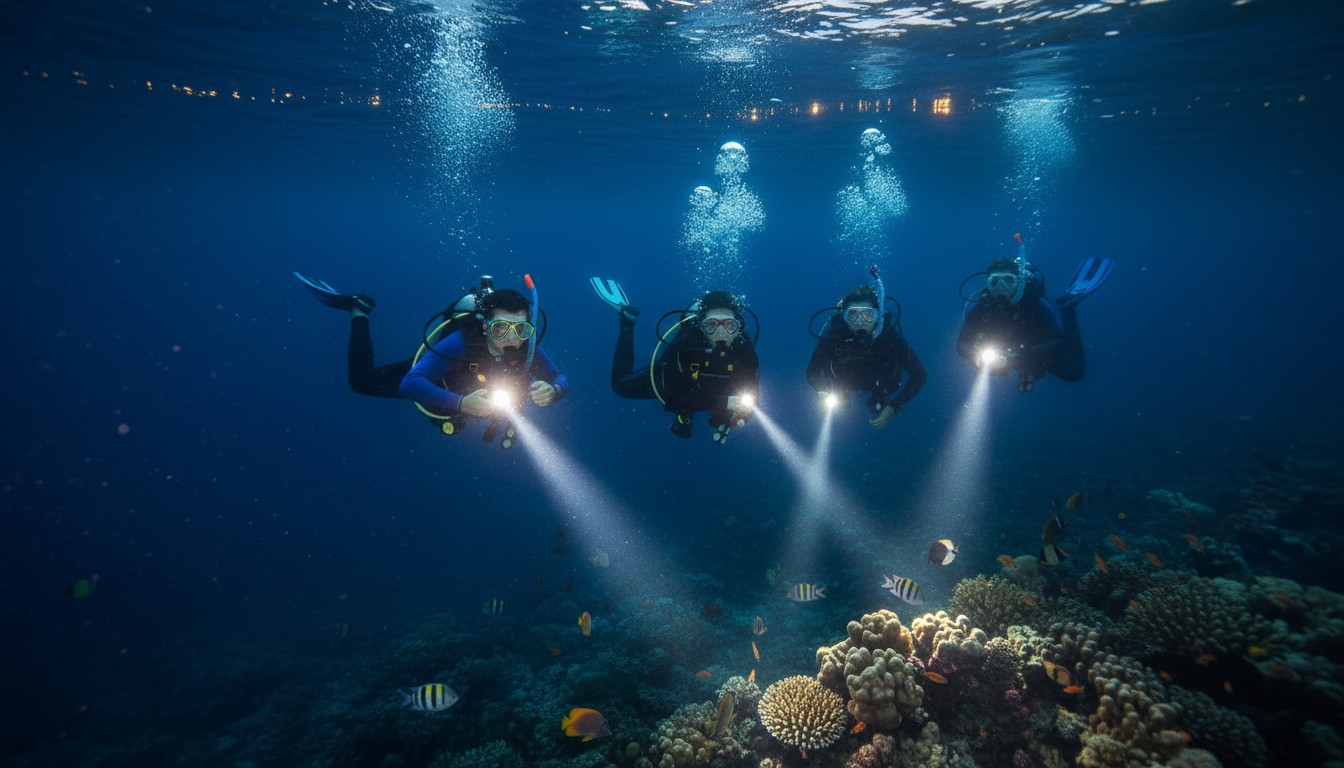
Antigua and Barbuda have also embraced international environmental standards, implementing Green Fins best practices for the diving and snorkeling industry to minimize environmental impact. DiveCarib, for example, actively participates in initiatives like Project AWARE Week and has pledged to ‘Adopt A Dive Site’ for ongoing maintenance, such as cleaning up fishing line from The Pillars of Hercules. These collective efforts underscore a growing commitment to ensuring the long-term health and beauty of Antigua’s spectacular underwater world.
Top Dive Shops for Scuba Gear Rental in English Harbour
English Harbour and the next-door Falmouth Harbour have a handful of really solid dive shops. They’ll sort you out with gear, but also give you expert guidance and take you on some mind-blowing excursions.
DiveCarib: Your PADI 5-Star Rental Hub in Falmouth Harbour
As Antigua’s only independent five-star PADI facility, DiveCarib is where you go when you want top-tier quality and people who really know their stuff. They’re located inside the National Sailing Academy in Falmouth Harbour, which means you’re just a quick boat ride from a ton of dive sites. They do it all: guided dives, a whole slate of PADI courses, and Discover Scuba programs if you’re a total beginner. I’ve heard their rental equipment is new and well-kept, stuff like weight-integrated BCDs, rugged regulators, shorty wetsuits, and a bunch of different masks. They even rent GoPros with color filters. DiveCarib also services and repairs equipment and they’ll cut you a deal if you book multiple days of diving. Their commitment extends to marine conservation, actively participating in initiatives like Project AWARE and pledging to ‘Adopt A Dive Site’ to help keep reefs clean.
Oceanbelle Scuba: Personalized Gear for Intimate Dives
Oceanbelle Scuba is all about small, customized adventures. They cap their groups at a maximum of five divers. It’s founded by Linda Swann, an instructor with something like 30 years and over 15,000 dives under her belt—which is just…wow. You know you’re in safe hands. All their dive packages come with gear and they’ll even pick you up from English Harbour. They do straight-up equipment rentals too.
AVA Watersports: Comprehensive Rentals, Retail, and Repairs
Founded by Bryan Cunningham (the guy who also started DiveCarib), AVA Watersports is the spot for pretty much all your watersports needs. They do retail, rentals, and repairs. Located right between Falmouth and English Harbour, next to Budget Marine, you can rent from them on a daily or weekly basis. This is a great move if you’re planning on doing some shore diving, chartering a yacht, or just want to snorkel the local beaches on your own time. People swear by their expertise for servicing and repairing dive gear.
Dockyard Divers: Convenient Gear Rental Options
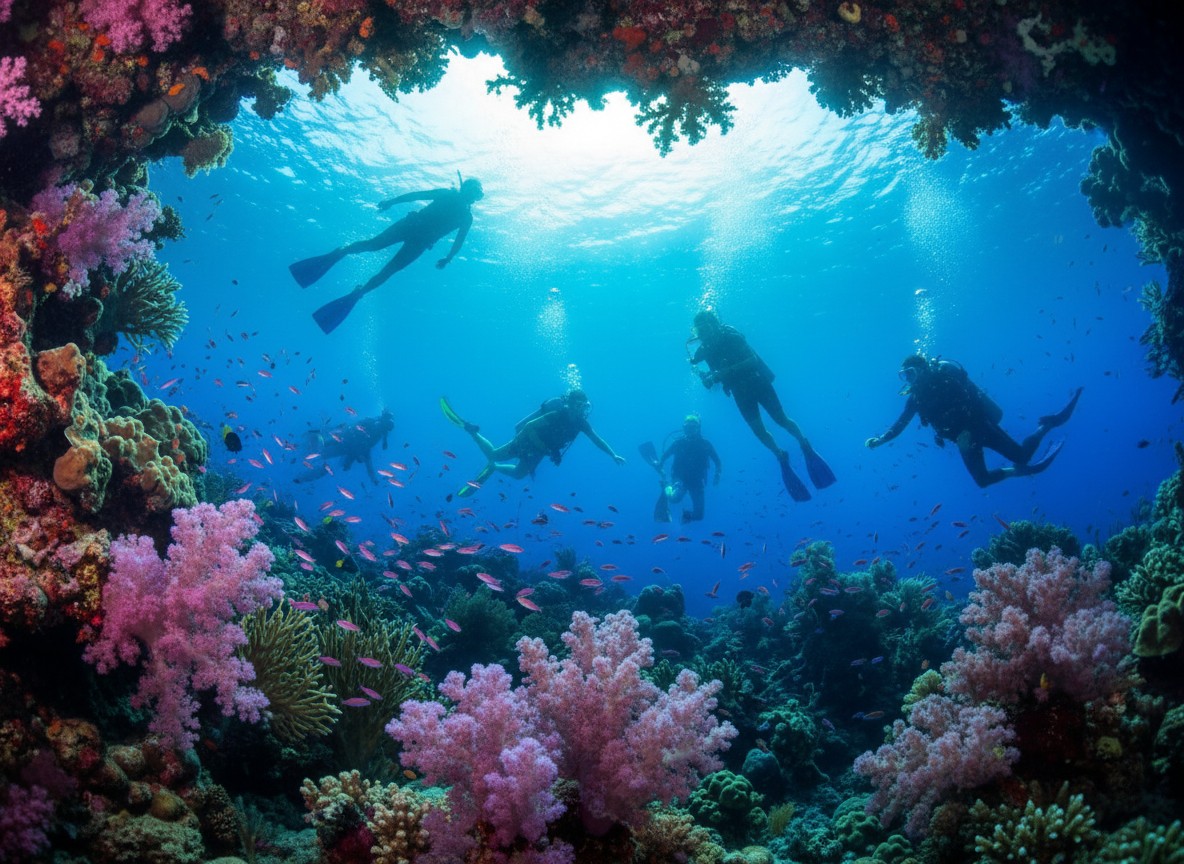
Dockyard Divers runs scuba excursions, snorkeling trips, and PADI certifications. They’re in a great spot to hit all the best sites off the south coast, including the famous Pinnacles of Hercules and Barracuda Reef. I couldn’t find a ton of super-detailed info on their specific rental gear, but as a full-on dive operator, you can bet they’ll have rental equipment available with their dive packages or for individual hire.
What Scuba Gear Can You Rent in English Harbour?
The dive shops in English Harbour have a full lineup of gear. You’ll find everything you need.
Full Scuba Units: BCDs, Regulators, and Gauges
You can rent the whole shebang: Buoyancy Control Devices (BCDs), regulators, and gauges. The Buoyancy Control Device (BCD) is essentially a vest that you inflate or deflate to control your position in the water, allowing you to achieve neutral buoyancy to hover effortlessly. The regulator delivers air from your tank to you at a breathable pressure, while your gauges keep track of your air supply and depth. DiveCarib, for example, has weight-integrated Sherwood Avids BCDs and tough Sherwood Bruts regulators. AVA Watersports also makes it clear they rent full scuba units.
Tanks and Weights: Ensuring Your Buoyancy Needs are Met
Tanks and weights are obviously essential and super easy to rent. AVA Watersports rents out tanks and does fills. A tank fill usually runs about US$10 up to 3000psi, but your tank needs to have a current inspection sticker and be within its hydro test date. They’re pretty strict about not filling Chinese-made tanks, just so you know.
Masks, Fins, and Snorkels: Your Essential Personal Kit
The basics. You can rent masks, fins, and snorkels on their own or as a set. DiveCarib has a good mix of different dive masks and strap fins. AVA Watersports also has mask/snorkel/fin sets on their rental list.
Dive Computers and Wetsuits: Enhancing Comfort and Safety
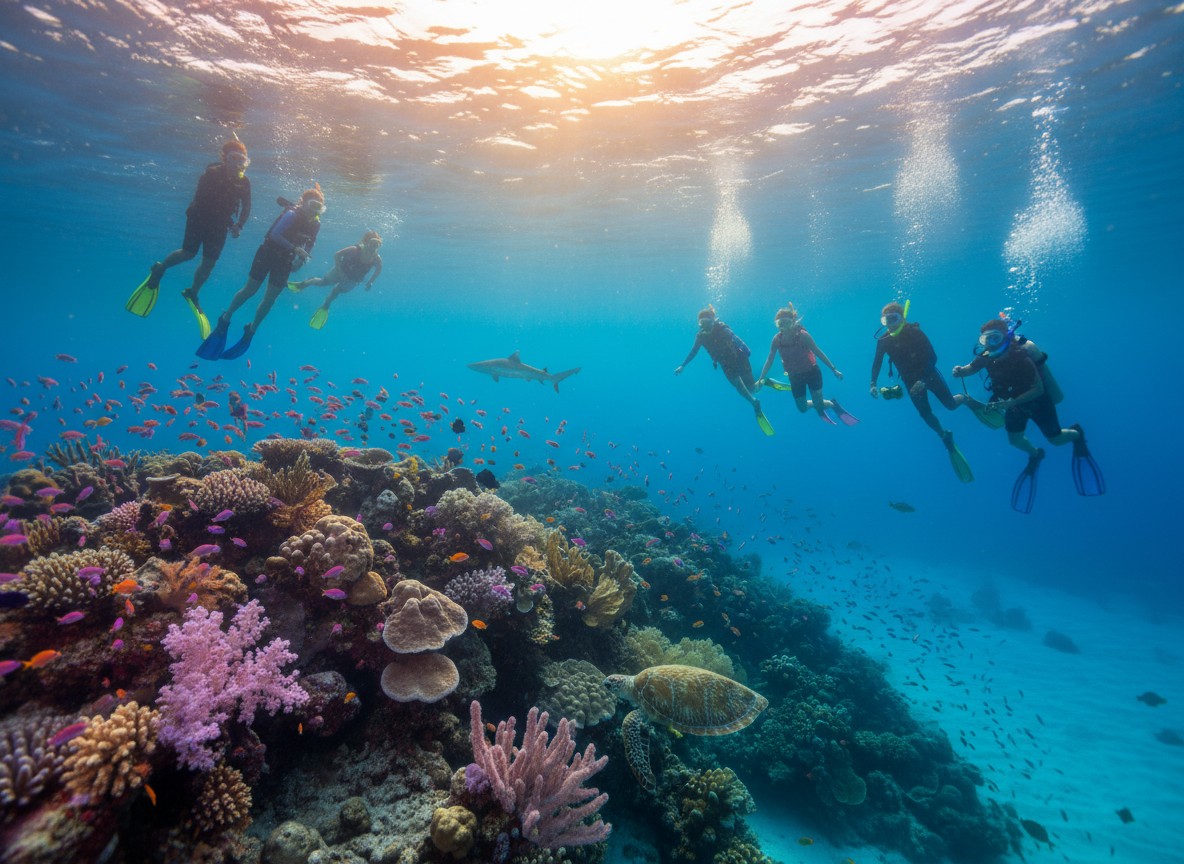
If you want to step up your safety and comfort, especially for deeper dives, dive computers and wetsuits are available. DiveCarib rents out Sherwood Amphos dive computers and shorty wetsuits.
Essential Considerations Before Renting Your Dive Gear
Just keep a few things in mind to make sure everything goes smoothly.
Certification Requirements: Are You Ready to Dive Independently?
To rent scuba gear and go off on your own, you’ll need to show your certification card (PADI, SSI, whatever). Makes sense. If you’re just doing a guided dive or an intro experience, you might not need one since you’ll be with a pro. If you haven’t dived in a couple of years, DiveCarib offers refresher sessions. Haven’t been in the water in five years? They’ll probably suggest a ‘Back To Basics’ session.
Beyond certification, all divers are required to be medically fit to dive. When booking courses or if there’s any doubt about your health, you’ll typically be asked to complete a medical questionnaire. It is strongly advised to undergo a full medical examination before your trip if you answer “yes” to any of the questions on such a form. Conditions that often require medical clearance from a doctor include being over 45 with certain risk factors (like smoking, high cholesterol, or a family history of heart attacks/stroke), asthma, severe allergies, lung disease, a collapsed lung, chest surgery, claustrophobia or agoraphobia, epilepsy, recurring migraines, blackouts, frequent motion sickness, a history of diving accidents or decompression sickness, recurrent back problems or surgery, diabetes, high blood pressure, heart disease, ear or sinus surgery, bleeding disorders, hernias, colostomies, or current pregnancy.
You will also need basic swimming skills. For PADI Open Water Diver courses, this typically involves being able to swim 200 meters (or 300 meters with mask, fins, and snorkel) without a time limit, and to tread water or float for 10 minutes.
Checking Gear Condition and Fit: Safety and Comfort First
Before you take off, actually inspect your rented equipment. Seriously. Check for wear and tear, make sure hoses are on tight, and breathe through the regulator. And make sure everything fits. A BCD that’s too big is a nightmare, and a leaky mask will ruin your dive. Fins that fit right mean you can actually move without killing yourself.
Understanding Rental Duration and Rates: Daily, Weekly, and Packages
Rates are gonna vary. You can rent by the day, by the week, or get a full package. Shops like DiveCarib often give you a better price if you book multiple dives with them, which usually includes the gear. AVA Watersports does daily (24 hours) and weekly rates—pay for 5 days, keep it for 7. Always get the final price before you agree to anything.
Rental Policies, Deposits, and Insurance: What You Need to Know
Ask about their rental policies. You’ll almost certainly have to put down a deposit, and you should know what happens if you lose or break something. Your regular travel insurance probably doesn’t cover scuba diving, so maybe look into a specific plan from someone like DAN (Divers Alert Network). An annual ‘Worldwide Preferred’ dive cover with DAN through DAN World costs around US$125, even for Antiguan residents. It’s just smart. All the dive centers in Antigua are fully insured, so that’s one less thing to worry about.
It’s also crucial to understand guidelines for flying after diving. PADI suggests a minimum pre-flight surface interval of 12 hours after a single no-decompression dive, and 18 hours for multiple dives or multiple days of diving. Many divers opt for a 24-hour surface interval to be extra safe and explore topside attractions. Another important piece of post-dive advice from PADI is to avoid deep tissue massages immediately after diving.
Tips for a Seamless Scuba Gear Rental Experience
A little prep can make your whole trip better.
Book in Advance: Especially During Peak Season
English Harbour gets slammed, especially from December to April. If you want to make sure you get gear that fits and a spot on the boat, book ahead of time.
Communicate Your Dive Experience and Needs
Don’t be a hero. Be honest with the dive shop about your certification level and how long it’s been since your last dive. Tell them what you need—a certain size BCD, a thicker wetsuit, whatever. This helps them get you the right stuff and take you to sites that match your skills.
Inspect Your Equipment Thoroughly Before Departure
I know I already said this, but check your gear again at the shop. Inflate the BCD. Test the regulator. Look for cracks in your mask. It’s way better to find a problem on land than at 60 feet under the surface.
Proper Gear Return and Maintenance: Avoiding Extra Charges
Figure out how they want the gear back. Usually, you just need to rinse everything with fresh water to get the salt and sand off. Don’t be that person who returns crusty, sandy gear. You might get hit with extra fees.
Practice Responsible Diving: Protecting Antigua’s Fragile Ecosystems
As divers, we have the unique privilege of exploring the underwater world, and with that comes a significant responsibility to protect it. Always practice good buoyancy control to avoid contact with fragile coral reefs and prevent stirring up sediment, which can harm the ecosystem and reduce visibility. Remember to interact passively with marine life; never touch, chase, feed, or harass any creatures you encounter. Minimize your environmental footprint by avoiding single-use plastics and opting for reusable alternatives. Local dive operators, like DiveCarib, are dedicated to educating divers on these responsible practices, and you can also contribute by reporting any environmental damage you observe.
Exploring English Harbour’s Best Dive Sites with Your Rented Gear
Okay, you’ve got your gear. Time to get in the water. English Harbour is the perfect launchpad for some of the island’s most spectacular dive spots.
The Pinnacles of Hercules: A Diverse Underwater Landscape
This spot is just outside English Harbour/Nelson’s Dockyard and is famous for its wild limestone formations, both above and below the water, resembling columns holding up the cliff face. The diversity of life here is probably the best in the area, and the visibility can be over 100 feet. You’ll see rays, turtles, barracudas, and it’s a known spot for Barry, the resident great barracuda. It’s just an awe-inspiring place and is great for beginners and advanced divers alike.
Barracuda Reef: Walls, Caves, and Abundant Marine Life
Located between Falmouth and English Harbour, Barracuda Reef is a killer drift dive. There’s a wall that drops from 50 to 120 feet, and caves where you can often spot nurse sharks and giant lobsters. As its name suggests, expect to see schools of barracuda, alongside parrotfish, angelfish, and moray eels. There’s even a coral garden at the bottom with critically endangered staghorn coral. It can get some currents, so it’s probably best for intermediate divers.
Cades Reef and Other Nearby Gems: What to Expect
Cades Reef is a massive two-mile-long barrier reef along Antigua’s southwestern coast and one of Antigua’s most famous spots. It’s absolutely teeming with life—corals, sponges, trumpet fish, nurse sharks, moray eels, and even octopuses if you’re lucky. The shallow parts are perfect for beginners, while the outer reef offers more of a challenge for experienced divers. It’s also a place where you can see the effects of coral bleaching, a real-world look at what’s happening to our oceans, making it a valuable site for understanding conservation.
Other cool sites in the vicinity include:
- Sunken Rock: Near English Harbour, this site features dramatic underwater landscapes with towering rock formations and deep crevices. Due to unpredictable currents and depths reaching up to 100 feet, it’s recommended for intermediate to advanced divers. Caribbean reef sharks are known to hang out here.
- Black’s Point: Just a ten-minute boat ride from DiveCarib, this advanced dive site is a great place to see eagle rays and stingrays.
- Carlisle Bay Marine Park: A sheltered bay on Antigua’s southwest coast with calm, shallow waters, making it ideal for beginner divers and underwater photographers.
- Coral Gardens: Situated just behind Cades Reef, this beginner-friendly site lives up to its name with stunning coral boulders and a beautiful high rising wall, home to triggerfish, reef lobsters, and coral crabs.
- Nanton Point: Towards the windward side, this drift dive site, exposed to the Atlantic, is known for Caribbean reef sharks, spotted eagle rays, and green turtles.
- Carpenters Rock: Another stunning drift dive, less frequently dived due to its exposure to the Atlantic, features large coral-covered boulders and offers sightings of various reef fish.
Wreck Diving: Exploring Antigua’s Maritime History Underwater
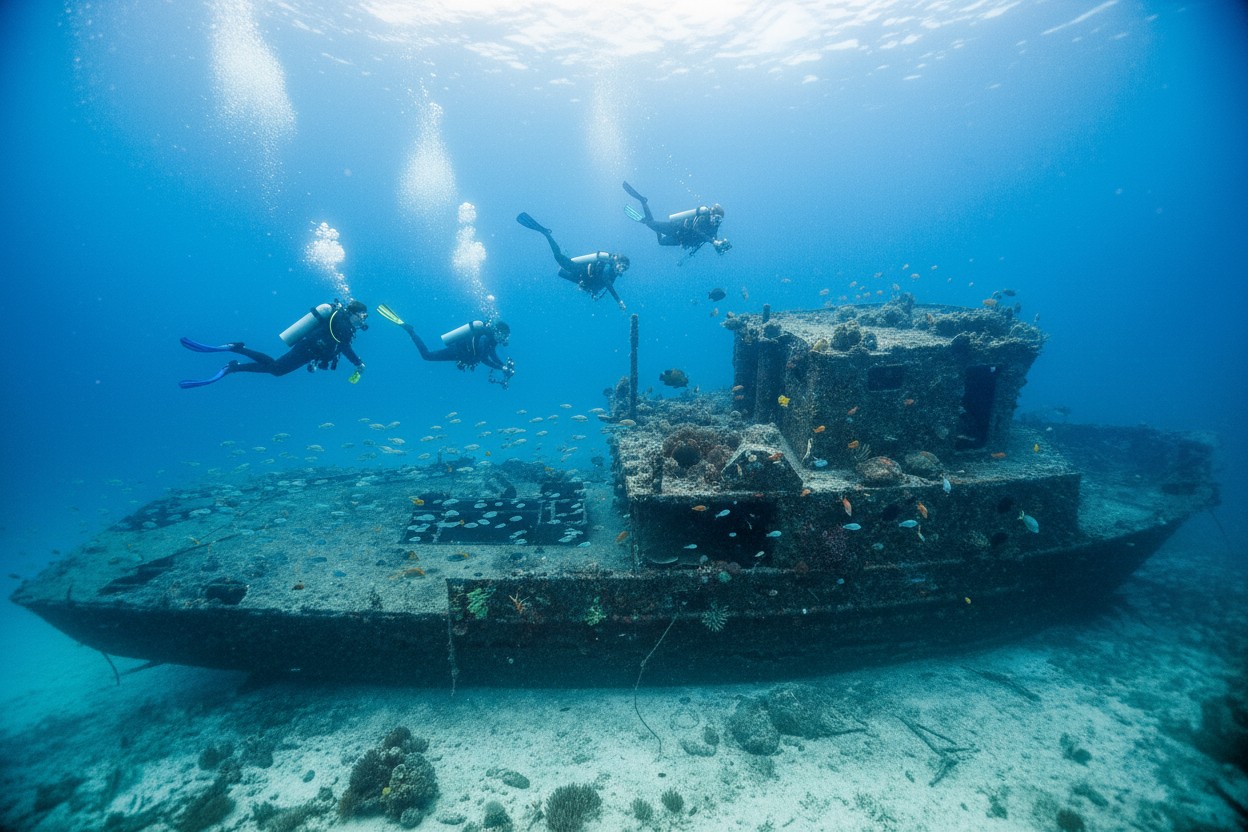
Antigua’s “Shipwreck Capital” reputation offers numerous fascinating wreck dives for various skill levels.
- Jettias Wreck: Located west of Sandals Grande Antigua, this French steam-powered freighter sank in 1817 and is one of the oldest wrecks off Antigua’s coast. It’s a beginner-friendly site where you can expect to see trumpet fish, parrotfish, grunts, blue tangs, Spanish hogfish, barracuda, and snapper.
- Wreck of the Andes: This three-masted merchant ship, which sank in 1905 after catching fire, rests off Deep Bay. While some sources indicate it lies at 30-110 feet, making it suitable for advanced divers, other accounts suggest it’s shallower (around 30ft), allowing for both snorkeling and scuba diving. A wide variety of fish, lobsters, arrow crabs, and turtles gather around the wreckage.
- Captain’s Anchor: Known for a large anchor from a 19th-century ship resting at a depth of 60 feet. This site is considered excellent for beginners and a good place to spot Green and Hawksbill turtles, as well as Moray eels.
Beyond Rentals: Dive Courses, Guided Expeditions, and Services
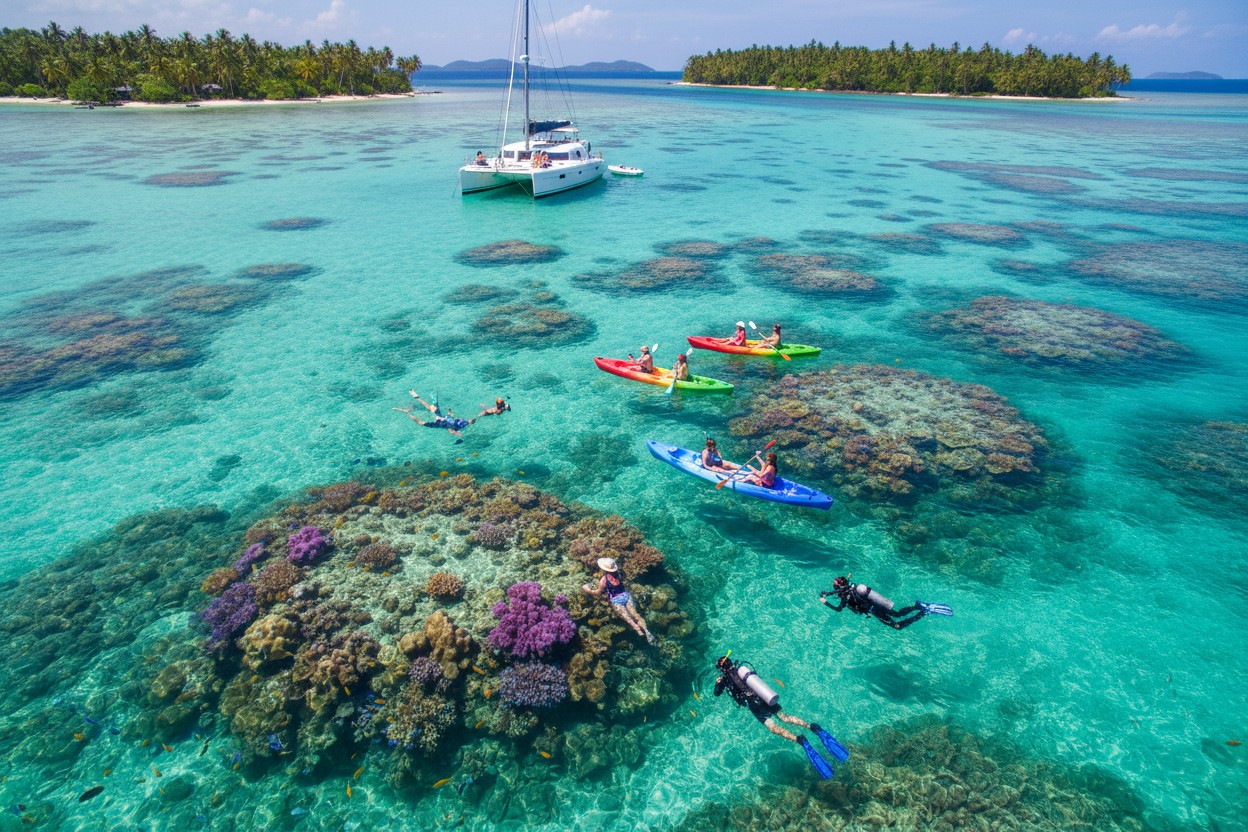
The dive centers here do more than just hand you gear.
PADI Certifications and Refresher Dives Available Locally
Looking to get certified or just knock the rust off? PADI courses are everywhere. DiveCarib offers everything from beginner courses up to Divemaster, plus specialties. There are other PADI-certified schools around too, like Extreme Marine Scuba and Soul Immersions. If it’s been a while since your last dive, refresher courses or ‘Back To Basics’ sessions are readily available to get you comfortable and safe in the water again.
Joining Guided Dives for a Worry-Free Exploration
Guided dives are a fantastic option, especially if you don’t know the area. DiveCarib runs daily guided boat dives with small groups (no more than 6 divers per guide). Oceanbelle Scuba is also all about small, guided groups for a more personal feel. This ensures expert guidance and a worry-free exploration of Antigua’s best dive sites.
Equipment Service and Repair Facilities in English Harbour
If your own gear needs a little TLC, you’re covered. DiveCarib does service and repairs. AVA Watersports is probably the go-to spot for fixing scuba gear; they can handle most major brands and do everything from full services to minor fixes.
Engaging in Marine Conservation Programs
Beyond just diving, you can actively contribute to protecting Antigua’s marine environment. Several organizations and dive shops offer opportunities to get involved:
- Antigua & Barbuda Ocean Trust (ABOT): This volunteer-based, local non-profit is dedicated to protecting the twin islands’ seas and shores. They run a Youth Eco-Diver Program to train local youth as marine ecologists and coordinate a Volunteer Diver Group that conducts underwater clean-ups, scientific projects, and even lionfish hunting. Their clean-up efforts have removed thousands of pounds of rubbish, including fishing line, from the reefs within the National Park.
- Green Fins Initiatives: Antigua and Barbuda have adopted Green Fins’ international environmental standards for diving and snorkeling. Many dive operators receive training on coral reef ecology, threats, and sustainable practices. You can support these efforts by choosing Green Fins certified operators and following their code of conduct.
- Coral Restoration Projects: Organizations like the Elkhorn Marine Conservancy are actively working on restoring degraded reef areas around Antigua, cultivating various species of reef-building corals in nurseries and outplanting them to damaged sites. The National Parks Authority also runs a coral project at the entrance to English Harbour.
Making the Most of Your Antigua Diving Adventure
Honestly, English Harbour has everything you could possibly need for an amazing scuba trip. Top-notch shops, great gear, expert guides, and access to some truly breathtaking dive sites. Just plan ahead, be clear about what you need, and always put safety and responsible diving practices first. By doing so, you’re not just enjoying an adventure; you’re also helping to preserve the magic of this place for generations to come. Now get out there and dive into the magic of this place.